From Signal Processing to Neural Restoration: Neural Engineer Prof. Yiwen WANG Drives Impactful Brain-Machine Interface Research for the Disabled

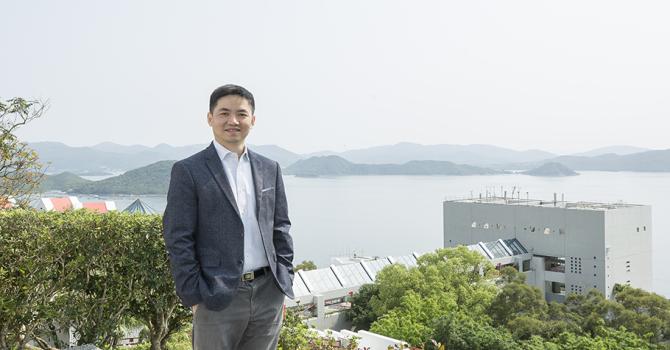
Prof. Yiwen WANG, an Associate Professor in the Departments of Electronic and Computer Engineering and Chemical and Biological Engineering at HKUST, is making significant strides in brain-machine interface (BMI) research aimed at restoring motor functions for paralyzed patients. Her journey from a curious child to a leading neural engineer showcases the power of resilience and mentorship.
Early on, Prof. Wang displayed exceptional mathematical skills and a competitive spirit, which drove her to explore engineering by dismantling bicycles. Her academic path led her from the University of Science and Technology of China to a PhD at the University of Florida, where she shifted her focus from traditional signal processing to BMIs. A transformative moment in her career occurred in 2012 when she witnessed a paralyzed patient control a robotic arm using her brain signals, solidifying her commitment to impactful research.
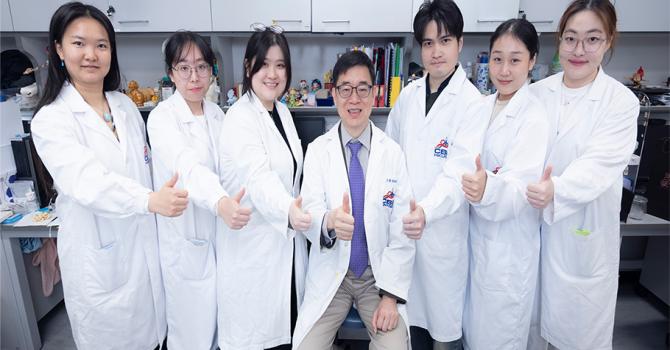
At HKUST, Prof. Wang leads the Computational Cognitive Engineering Laboratory, where she develops innovative approaches to neural engineering, including AI-enhanced systems for real-time prosthesis control. Recently, she secured over HK$7.5 million in funding for a patient-centered project aimed at creating next-generation BMIs that can learn and adapt.
Recognized as a keynote speaker for the IEEE EMBC 2024 and honored as an IEEE EMBS Distinguished Lecturer, Prof. Wang emphasizes the importance of mentorship, curiosity, and long-term thinking in research. She is dedicated to fostering a nurturing environment for her students, encouraging them to embrace challenges and focus on significant research rather than immediate publication.
Prof. Wang envisions a future where BMIs address cognitive disorders and neurodegenerative diseases, underscoring the need for engineering solutions to maintain brain health as societies age. Her story exemplifies the intersection of technical skill, interdisciplinary collaboration, and empathy in modern neural engineering.
(This news was originally published by the HKUST School of Engineering here).