HKUST Engineering Develops Pioneering Mechanically Interlocked Molecule-Based Materials to Advance Safe, High-Performance Lithium Metal Batteries
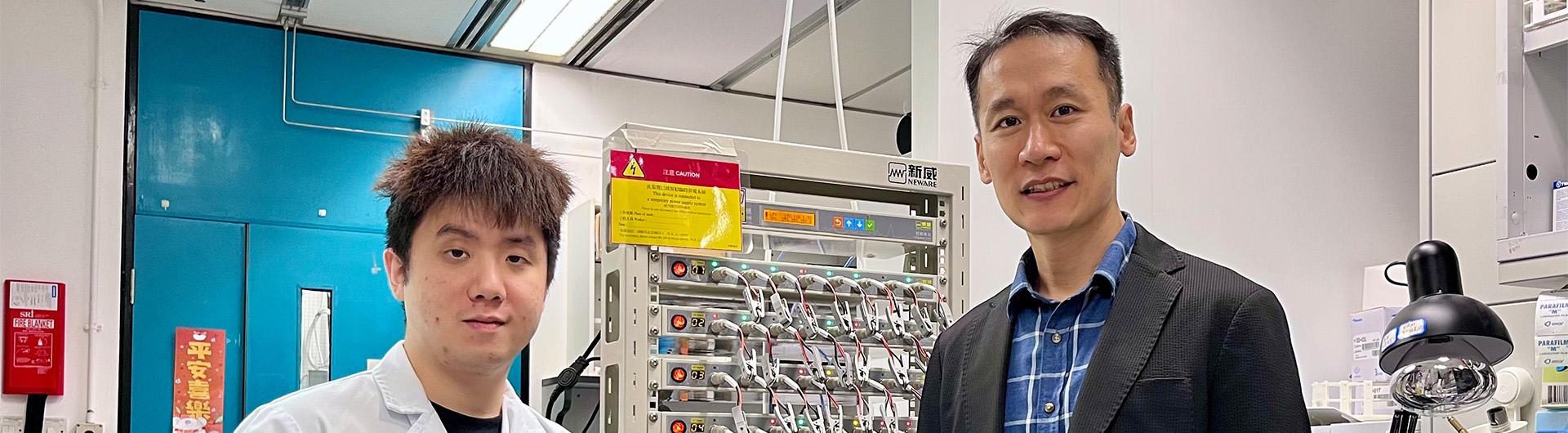
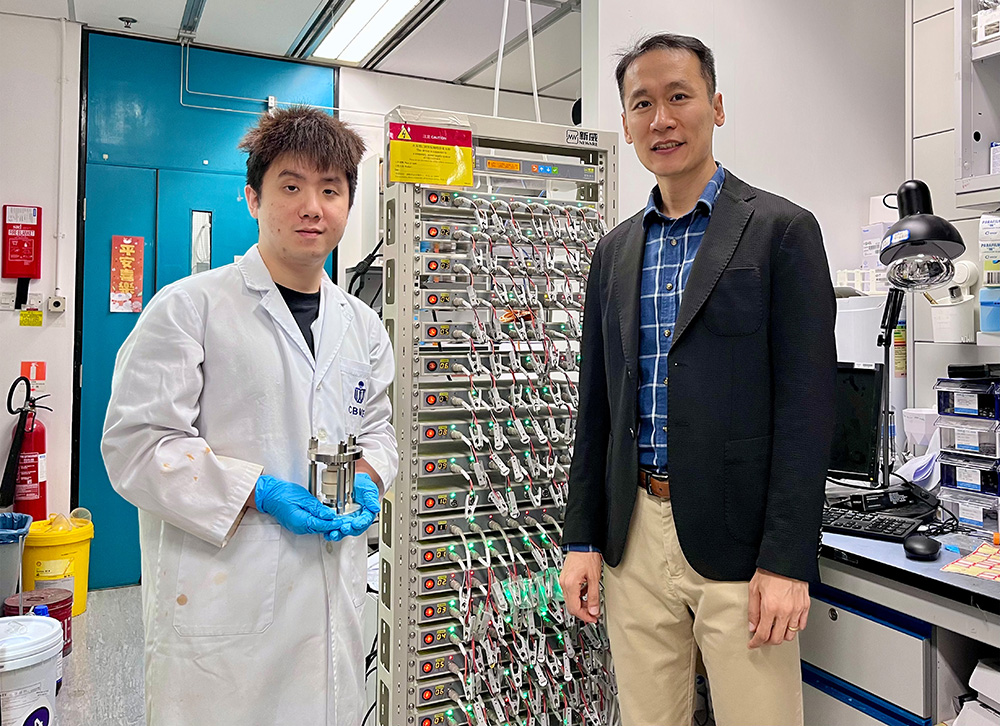
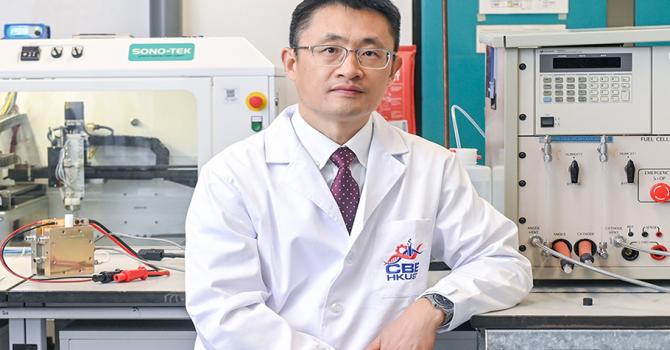
Prof. Yoonseob KIM, Associate Professor of the Department of Chemical and Biological Engineering at HKUST, and his team have developed a new way to make lithium-metal batteries safer and longer-lasting. Their breakthrough uses a special material called a quasi-solid-state electrolyte (QSSE), which helps batteries avoid common problems like overheating, short circuits, and rapid capacity loss.
Most batteries today rely on liquid electrolytes, which can catch fire and cause dangerous reactions. Solid electrolytes are safer, but they often struggle to move lithium ions efficiently, limiting battery performance. To solve this, the HKUST team introduced “mechanically interlocked molecules” — tiny structures that can move and interact in unique ways — into a porous framework. One key component, crown ethers, acts like a “holder” for lithium ions, guiding them smoothly through the battery and preventing damage.
The results were striking. The new QSSE showed excellent conductivity and stability, keeping nearly all of its capacity after hundreds of charging cycles. In tests, batteries using this material retained 95% of their capacity after 600 cycles at room temperature. Even under tougher conditions — higher temperatures and faster charging speeds — the batteries remained highly efficient, with almost no energy loss.
Prof. Kim explained that studying how these molecules move inside batteries could inspire new designs for advanced materials. The research highlights how combining chemistry and engineering can lead to safer, more powerful energy storage solutions, potentially paving the way for next-generation batteries in electric vehicles and portable electronics.
This project was a collaboration between HKUST, Shanghai Jiao Tong University, The Hong Kong Polytechnic University, and the University of Hong Kong. The findings were published in Advanced Materials under the title “Mechanically Assisted Li⁺-Conduction in Crown Ether-Covalent Organic Frameworks for Lithium Metal Batteries.”
(This news was originally published by the HKUST Global Engagement and Communications Office here and the HKUST School of Engineering here.)