Offering New Hope to Patients: HKUST Engineering Pioneers Computational Models for Transregional Neural Activity to Re-establish Damaged Neural Connectivity
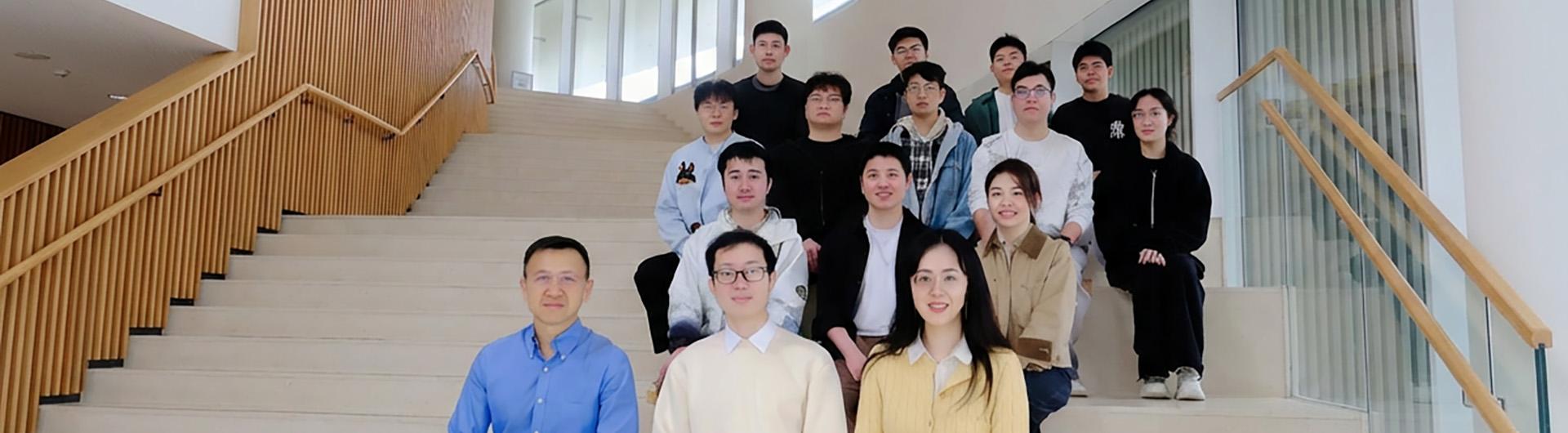
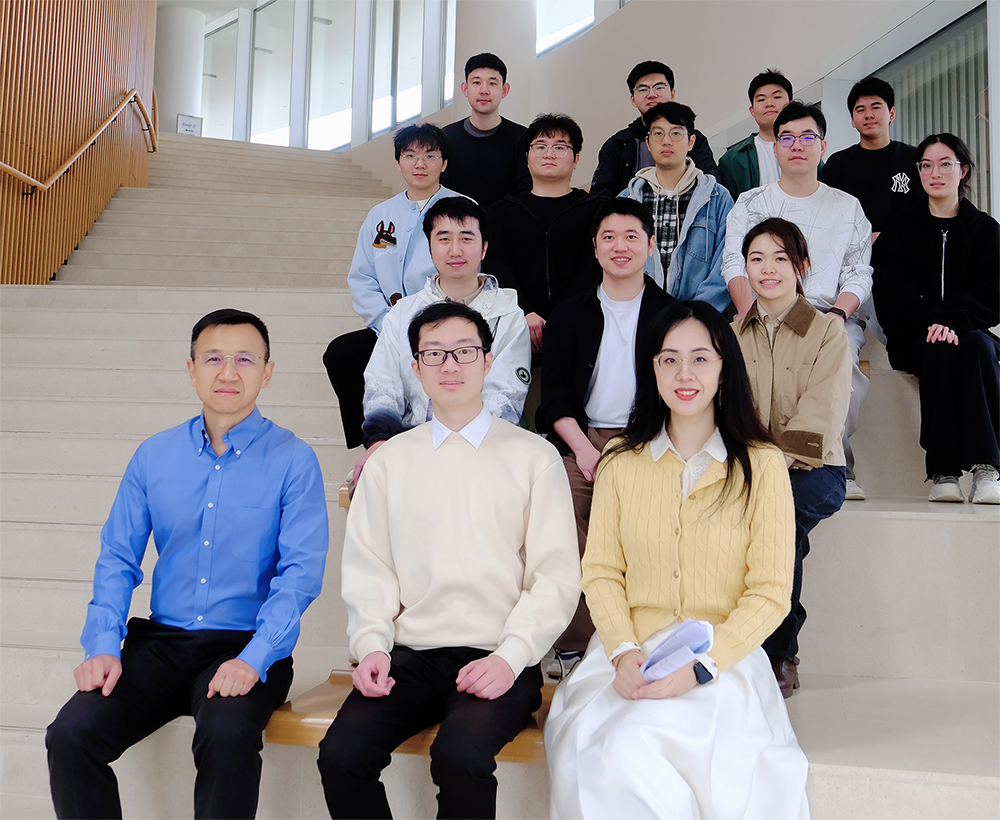
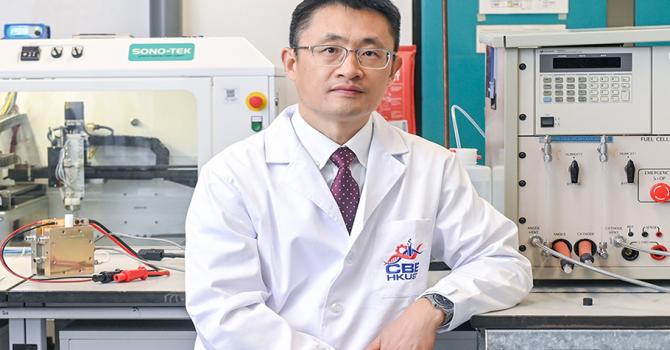
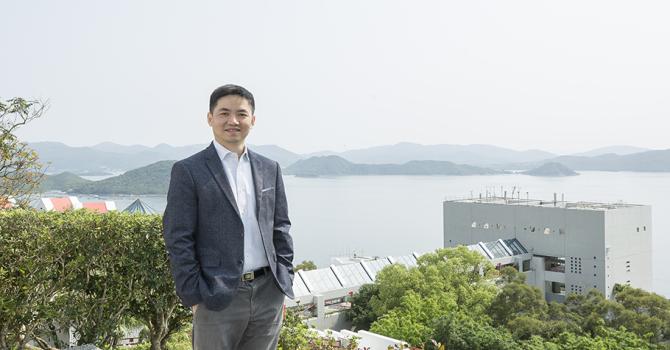
A research team, led by Prof. Yiwen WANG, Associate Professor of the Department of Electronic and Computer Engineering and the Department of Chemical and Biological Engineering at HKUST, has achieved a breakthrough in computational neural engineering by developing a reinforcement learning-based generative model that predicts neural signals and creates artificial information pathways to bypass damaged brain regions. This innovation, published in Nature Computational Science, titled "A generative spike prediction model using behavioral reinforcement for re-establishing neural functional connectivity", offers new possibilities for neural rehabilitation in patients with motor or cognitive impairments caused by stroke or spinal cord injury.
The model differs from conventional approaches by using behavioral success as feedback rather than relying on downstream neural recordings, which are often unavailable in patients with damaged pathways. Through trial-and-error learning, it transforms upstream neural spikes into real-time predictions for downstream neurons, re-establishing functional connectivity.
Validated in rat experiments, the generated signals successfully drove desired behaviors with higher success rates than traditional methods, while closely resembling healthy neural modulation patterns. The system also demonstrated adaptability across different decoder settings and rapid calibration for new subjects, highlighting its clinical potential.
Prof. Wang emphasized that this framework could advance both motor and cognitive rehabilitation, with future plans to integrate it with neural modulation technologies and collaborate with clinical institutions. The study was co-authored by Dr. Shenghui WU of HKUST, Prof. Kai LIU of HKUST and SIAT-HKUST Joint Laboratory for Brain Science, Prof. Dario FARINA of Imperial College London, and Prof. José C. PRÍNCIPE of the University of Florida.
(This news was originally published by the HKUST School of Engineering here.)