HKUST Researchers Uncover Immune-Hot Brain Tumor Subtype with Poorer Survival and Develop AI Framework for Precise Identification
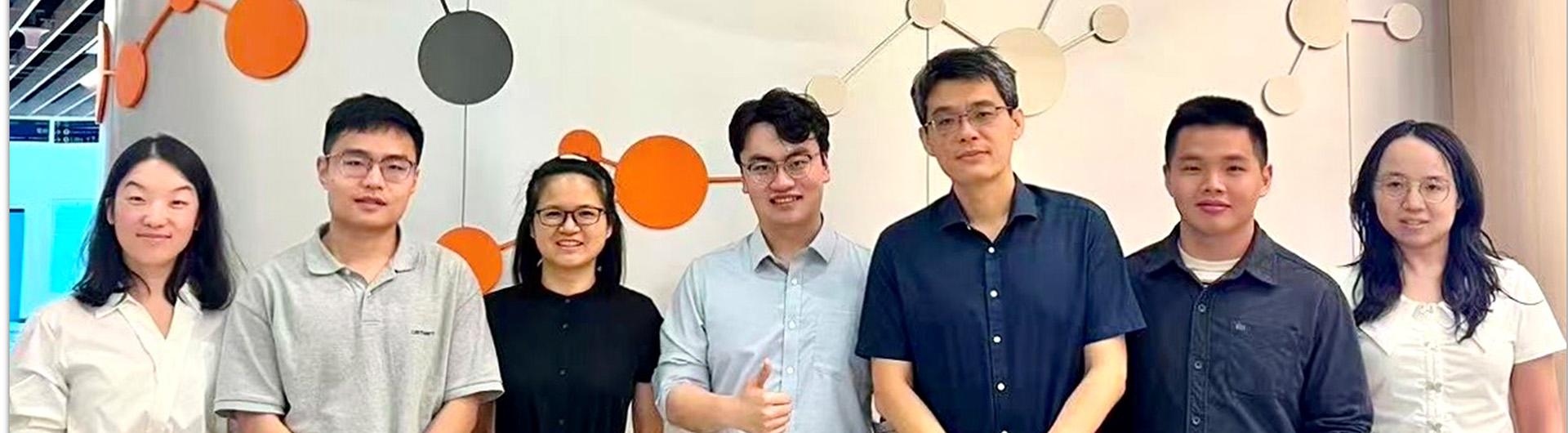
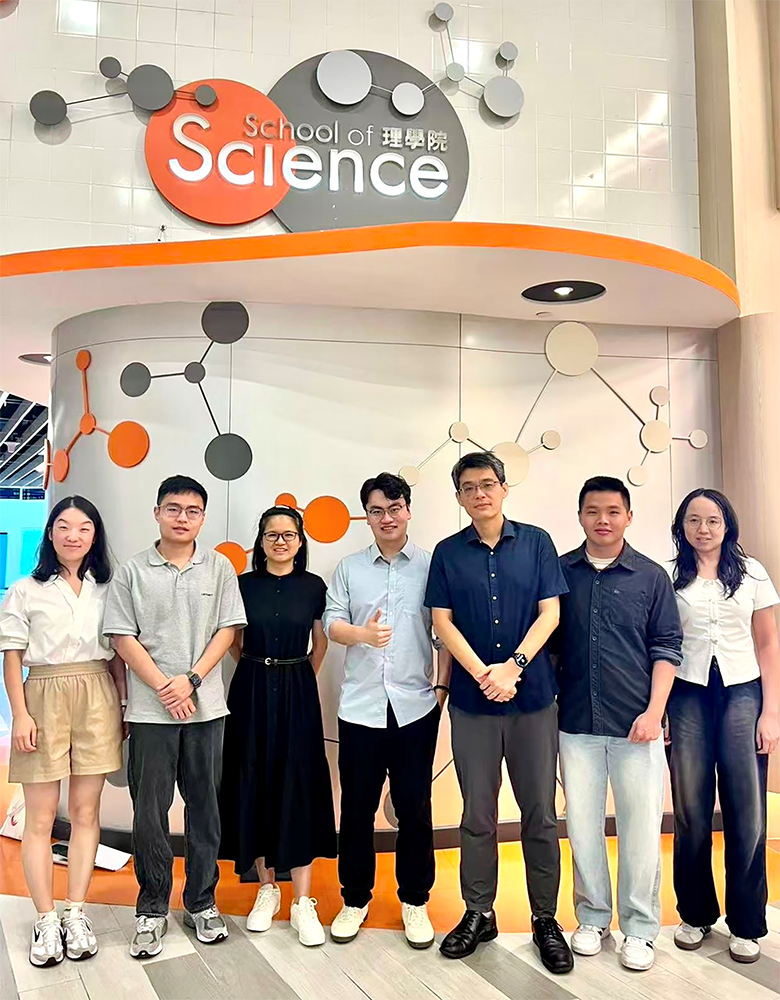
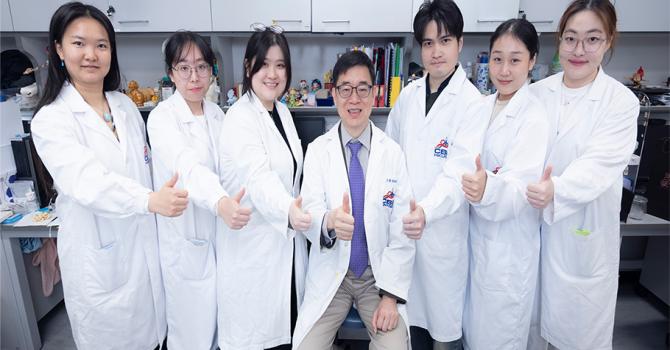
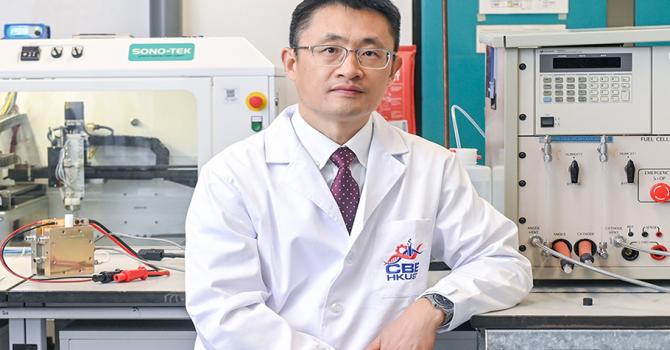
Researchers at HKUST, led by Prof. Jiguang WANG, Padma Harilela Associate Professor in the Division of Life Science (LIFS) and the Department of Chemical and Biological Engineering (CBE), have identified a new subtype of brain tumor called IME IDH-mutant astrocytoma. This "immune-hot" subtype shows strong immune activity but has poorer survival rates compared to other types. The study highlights significant inter-tumor heterogeneity, meaning tumors vary greatly among patients.
The team utilized advanced "multi-omics" data analysis to classify IDH-mutant astrocytomas into four subtypes, with the IME subtype comprising about 13% of cases. Despite its immune characteristics, IME tumors exhibited aggressive behavior and poor outcomes due to factors like plasma cell influx and gene activation.
To aid in diagnosis, the researchers developed an AI framework called GUIDE, which integrates tumor imaging with genomic data for precise identification of IME tumors. This tool helps challenge the notion that immune activity in tumors always correlates with better prognosis and opens avenues for personalized treatment strategies.
The findings were published in Cancer Cell and suggest new approaches for managing gliomas, including targeted therapies and immunotherapy tailored to this aggressive tumor subtype.
For more information, please visit: HKUST Researchers Uncover Immune-Hot Brain Tumor Subtype with Poorer Survival and Develop AI Framework for Precise Identification | School of Science - The Hong Kong University of Science and Technology
(This article was originally published on EurekAlert! on October 23, 2025 and School of Science on October 24, 2025)