Integrating Full-Color Wide-Angle Vision with Event-Driven Motion Detection: HKUST Engineering Develops High-Resolution Bionic Eye
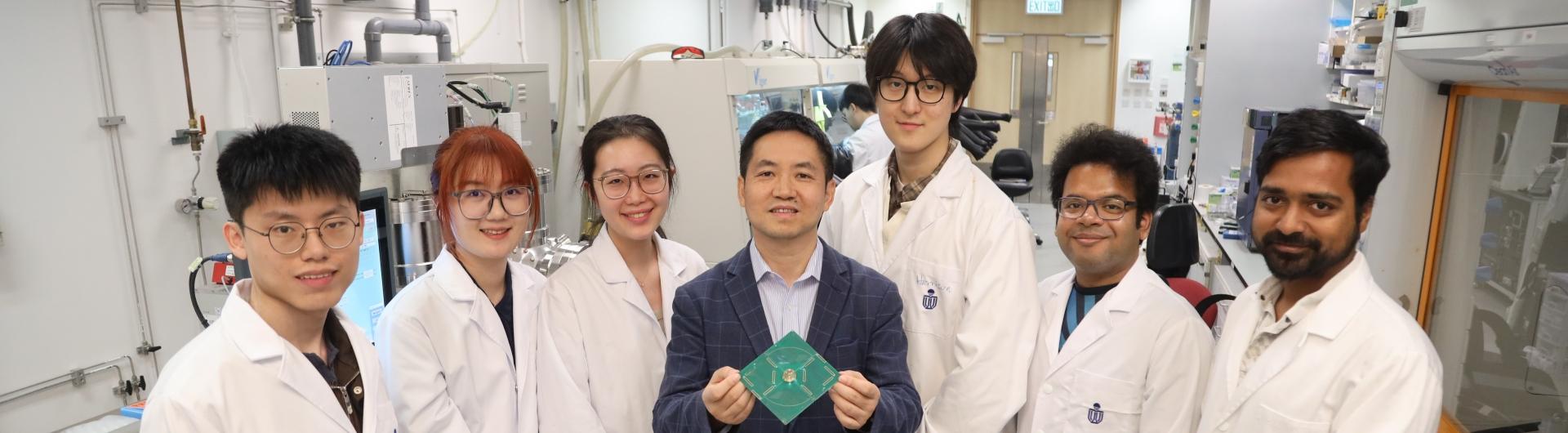
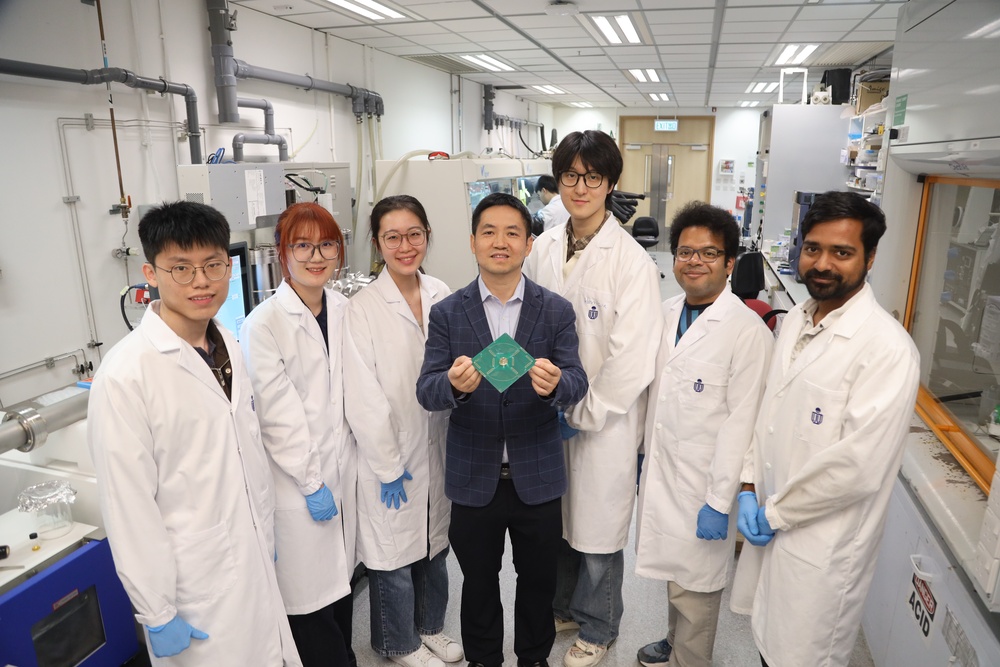
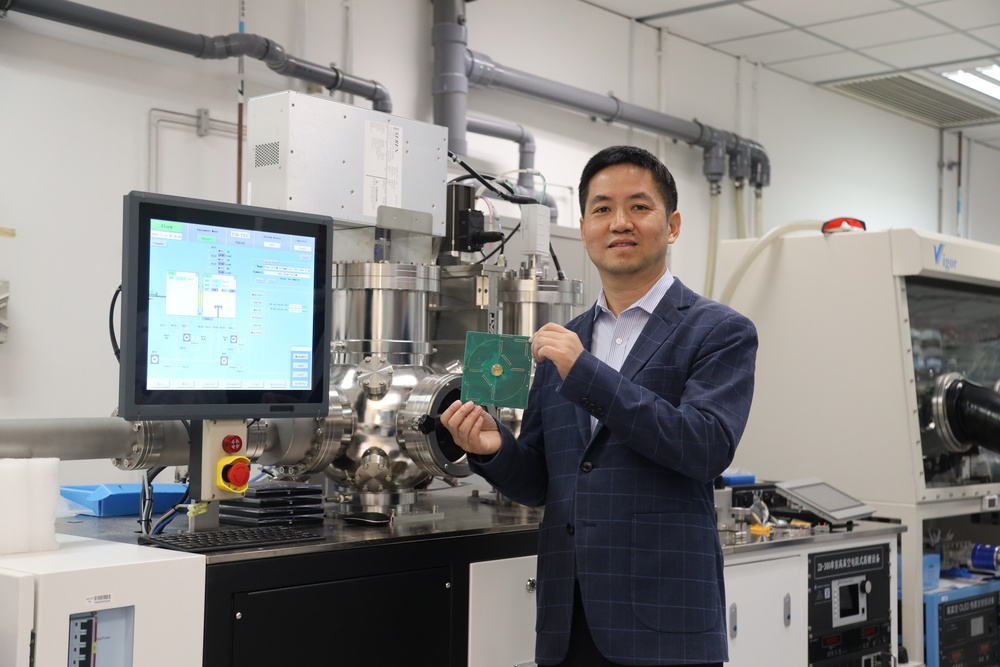
Prof. Zhiyong FAN, Chair Professor of Electronic & Computer Engineering and Chemical & Biological Engineering, and Director of State Key Laboratory of Displays and Opto-Electronics at HKUST, has led a research team to a major breakthrough in robotic vision. The team has successfully developed a high-resolution "bionic eye" that mimics the curved shape of a human retina.
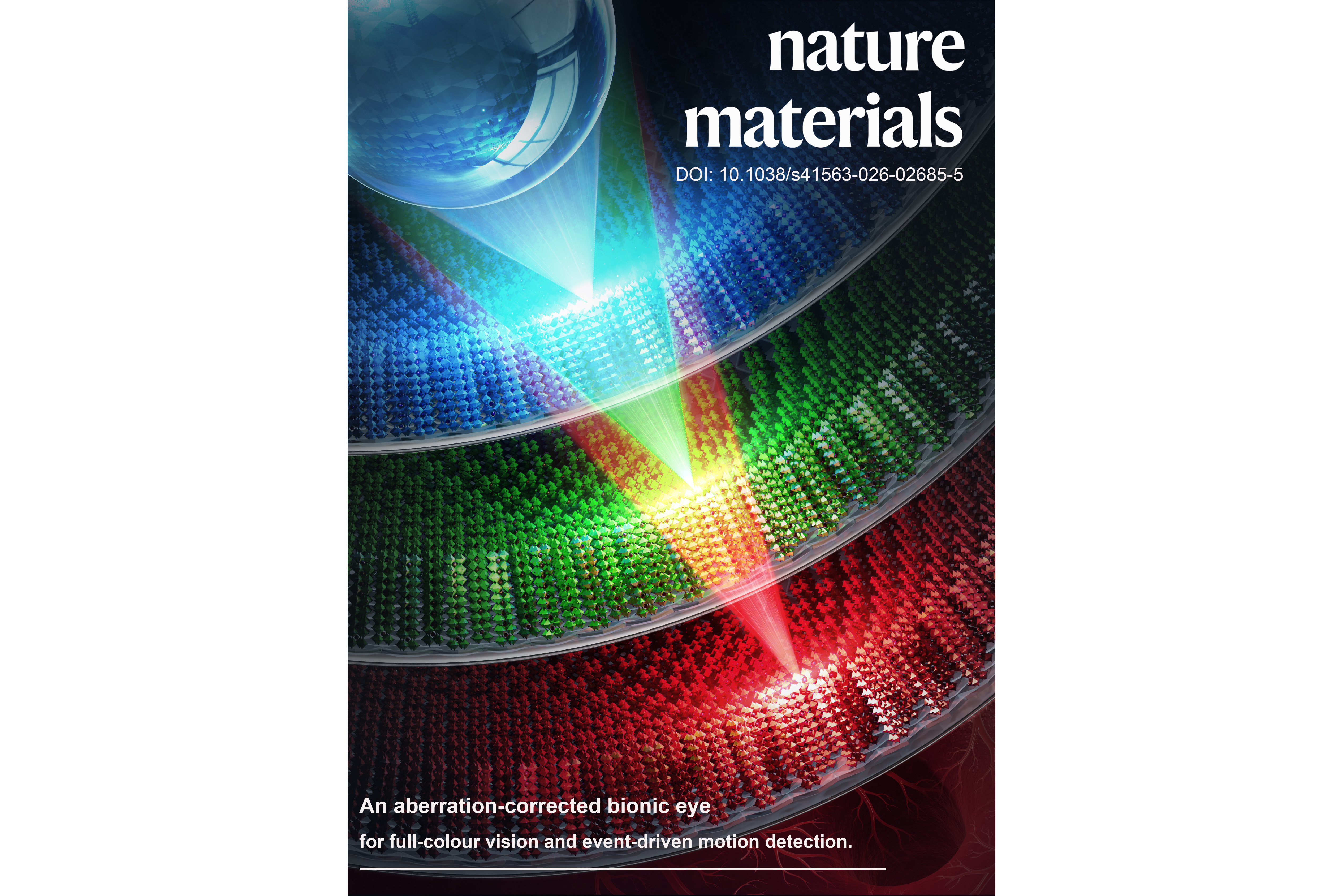
This state-of-the-art device brings machines closer than ever to human-like sight, offering full-color vision, an ultra-wide view, and the ability to detect motion instantly. The groundbreaking study was recently published in the prestigious international scientific journal, Nature Materials in a paper titled "An aberration-corrected bionic eye for full-color vision and event-driven motion detection".
The Big Breakthrough: Why a Curved Eye Matters
Most of the cameras we use today—like the one in your smartphone—rely on flat image sensors. To capture a wide angle and correct blurry edges, flat sensors require bulky, heavy lenses.
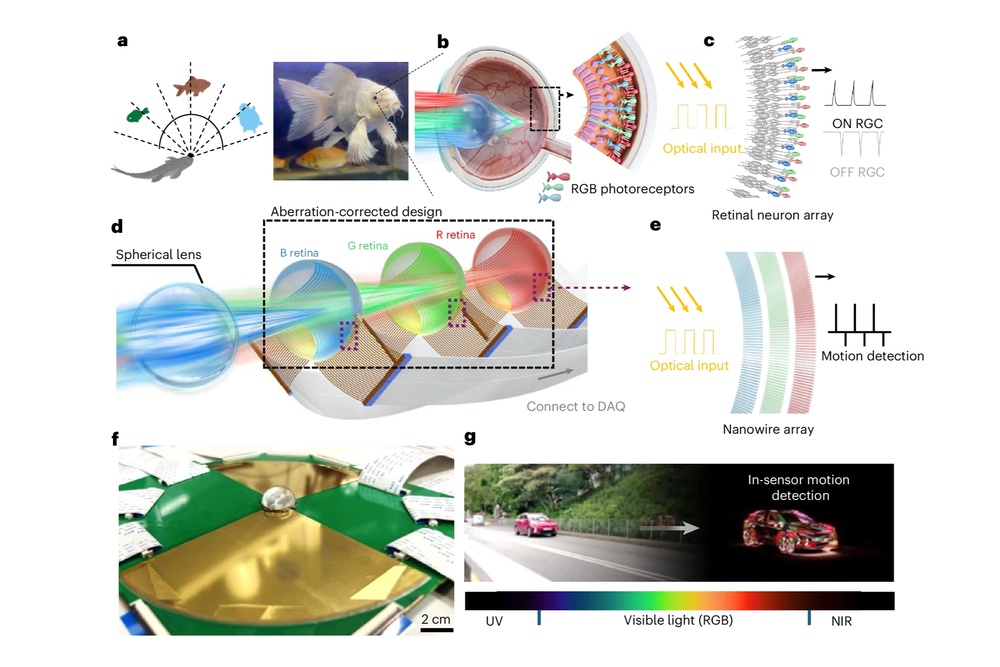
By copying the natural curve of a human eye, the HKUST team's new bionic eye achieves:
- An Ultra-Wide View: A field of vision exceeding 160 degrees, allowing future robots to "see" out of the corners of their eyes.
- Compact Design: Crystal-clear, wide-angle images without the need for large, heavy lens setups.
- Vibrant Full-Color: Built-in blue, green, and red light-sensitive layers that capture the entire color spectrum visible to humans.
Overcoming a Massive Manufacturing Challenge
Creating tiny, light-sensitive pixels on a highly curved dome surface is incredibly difficult. Standard microchip manufacturing is designed strictly for flat surfaces.
To solve this, the HKUST team pioneered a 3D laser fabrication technique. This allowed them to print dense grids of light-sensitive pixels onto a hemispherical surface, boosting the pixel count from a modest 100 pixels in their 2020 prototype to a staggering 367,500 pixels today!
"Our first-generation bionic eye, developed in 2020, contained only 100 sensing pixels," says Prof. Fan. "With our new 3D laser-assisted process, we boosted that to nearly 400,000 pixels. I believe we can eventually develop a next-generation bionic eye with over one million pixels, opening up incredible new opportunities for robotics and self-driving cars."
Smart Vision: Processing Motion in an Instant
Beyond taking beautiful photos, this bionic eye is incredibly smart.
Traditional cameras detect motion by taking dozens of full-frame pictures every second and sending them to a computer brain to find changes. This process uses a massive amount of data, power, and time.
The HKUST bionic eye does things differently. It detects motion right inside the sensor itself, only sending data when it spots movement.
- Data reduction: Under testing, this smart approach slashed data bandwidth demands by more than 99.95% compared to traditional cameras.
- Incredible accuracy: Despite using a fraction of the data, the system recognized moving objects with an outstanding 98.6% accuracy.
By reducing the heavy burden of processing massive visual files, this technology paves the way for faster, lighter, and much more energy-efficient AI-powered robots and self-driving systems.
The Research Team
This high-impact project was led by Prof. Zhiyong FAN as the sole corresponding author. The first author is Dr. Zhenghao LONG, a former PhD student and postdoctoral researcher in HKUST’s Department of Electronic and Computer Engineering, who is now an Assistant Professor at Fudan University. The research was also conducted in close collaboration with Prof. Yunlong ZI of HKUST (Guangzhou).
(This news was originally published by the HKUST Global Engagement and Communications Office here and the HKUST School of Engineering here.)
Related Links