Maximizing Power Efficiency for the AI Age
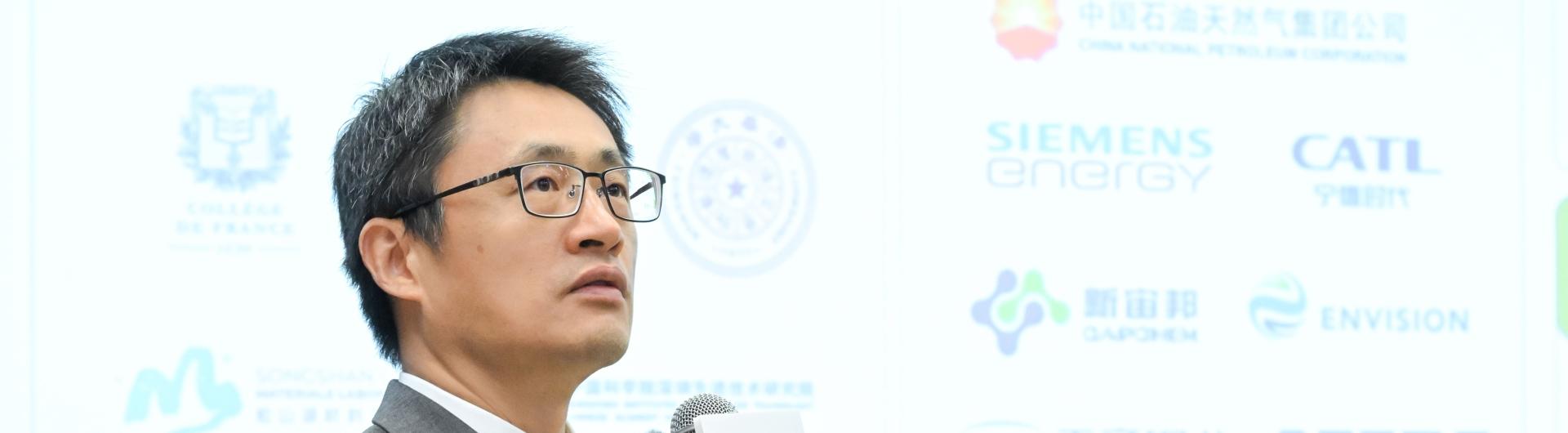
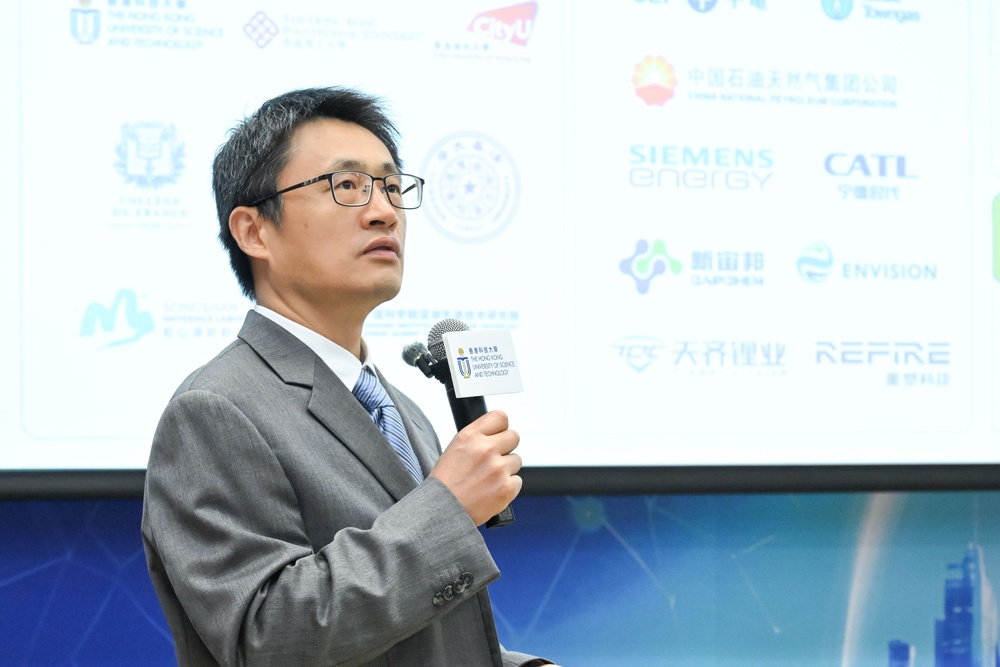
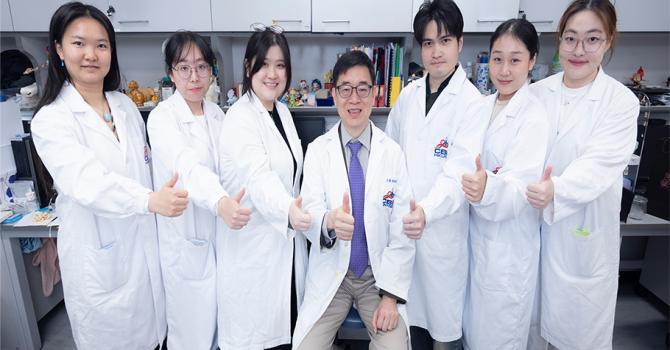
Prof. Minhua SHAO, Head and Chair Professor in the Department of Chemical and Biological Engineering and Head of InnoHK HKCRES, along with other leading experts at HKUST, is at the forefront of tackling one of the most pressing challenges of the digital age: keeping the rapid rise of AI sustainable.
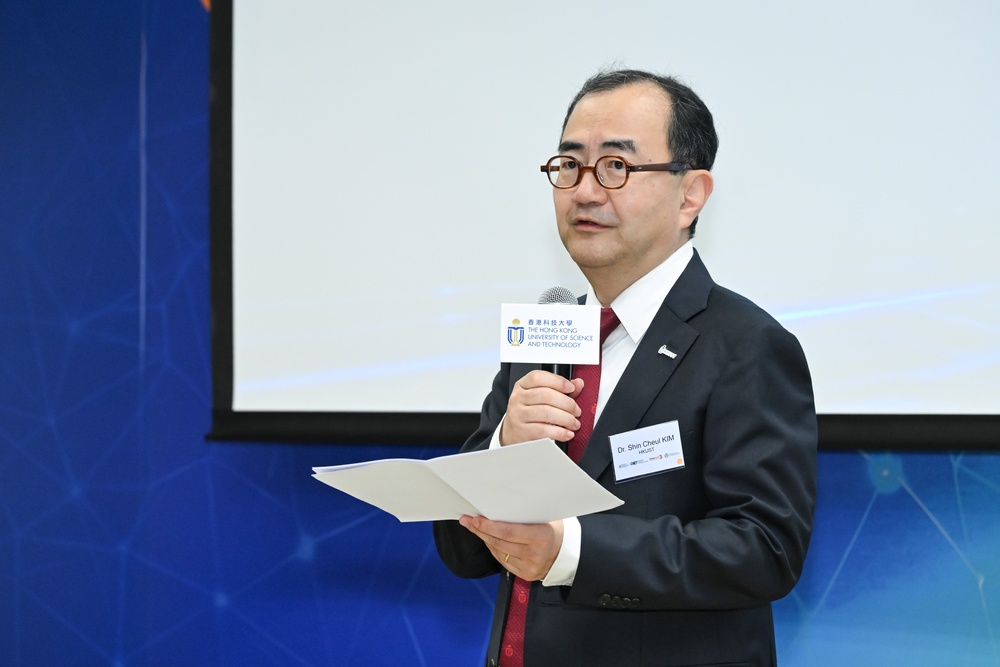
We all know that artificial intelligence is reshaping our personal, academic, and professional lives, but few of us stop to consider the sheer amount of electricity required to keep it running. Dr. Shin Cheul KIM, Associate Vice-President for Research and Development (Knowledge Transfer), recently pointed out that as AI continues to develop, its energy demand is set to double. Global data centers currently consume about 415 terawatt-hours of electricity, a figure projected to skyrocket to 945 terawatt-hours by 2030.
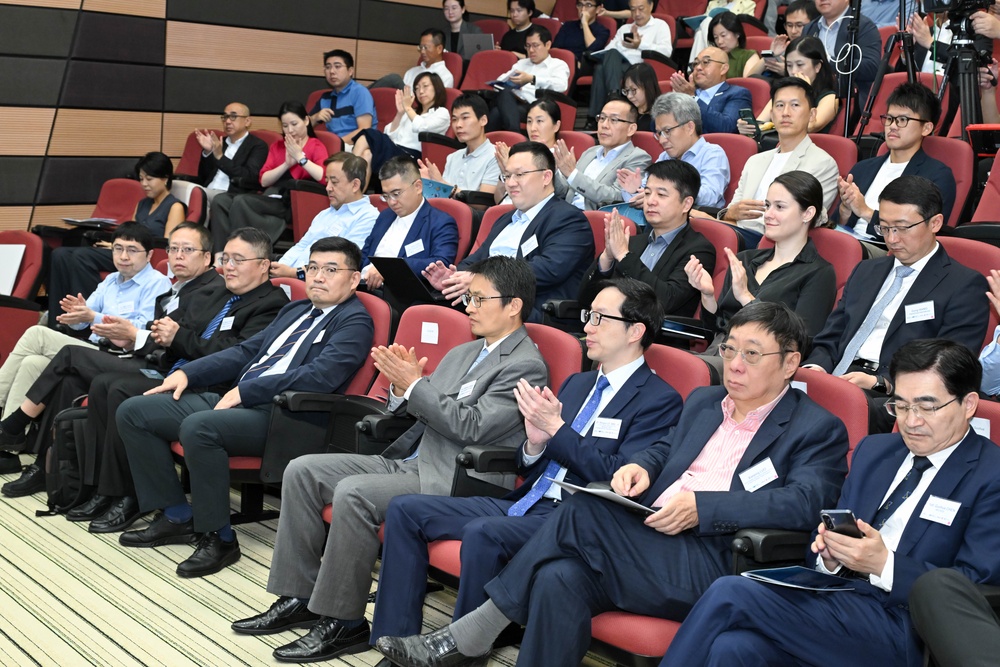
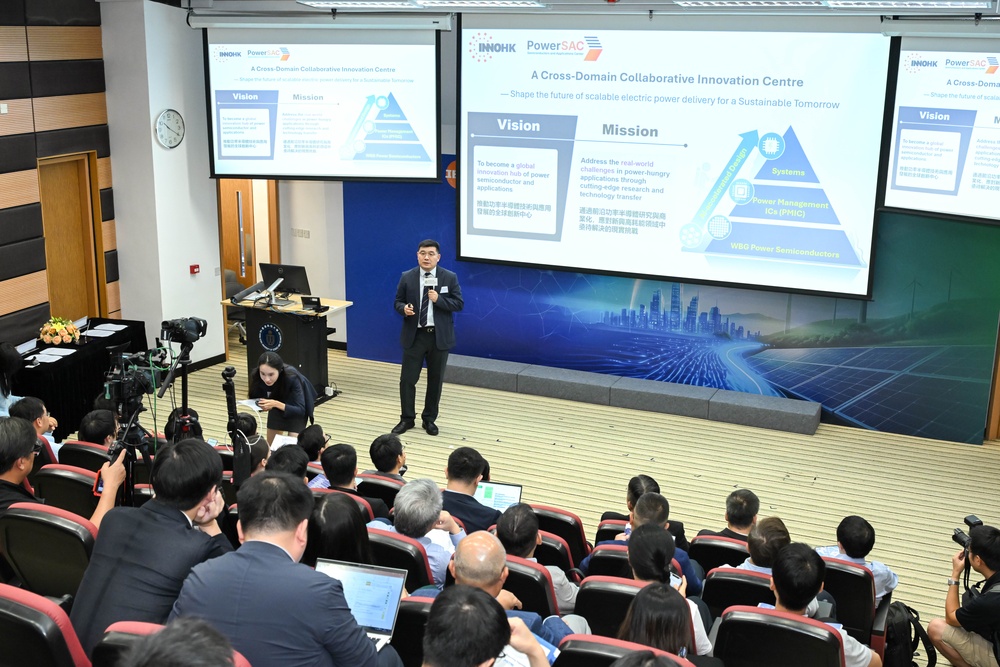
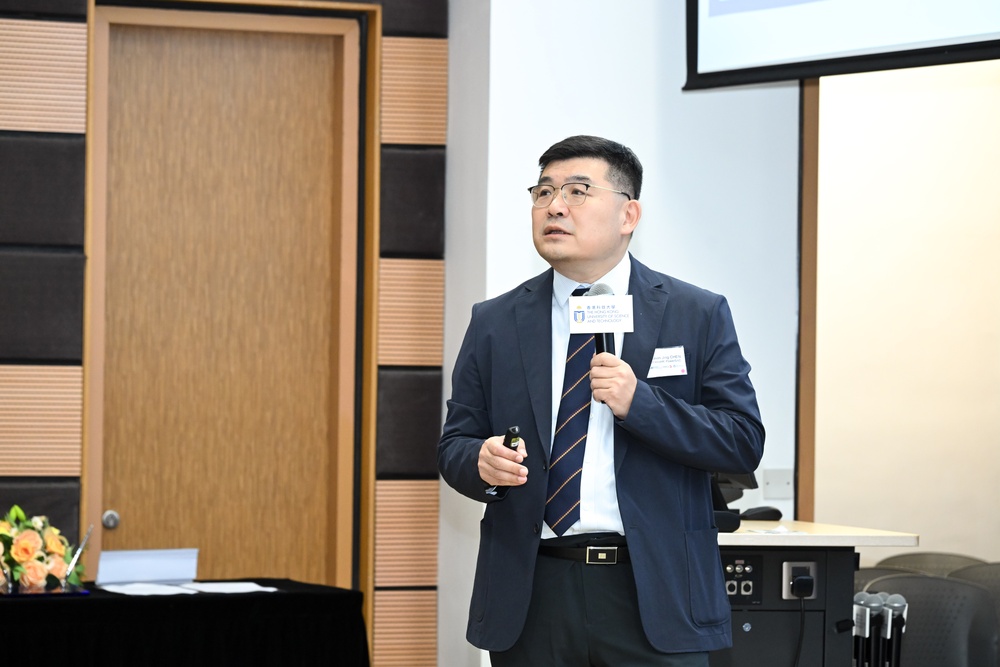
To address this impending energy crisis, HKUST’s Office of Knowledge Transfer co-organized the "HKUST Industry Engagement Day Plus—From Smart Electronics to Clean Energy: Driving the Sustainable Future" on October 7. The event served as a crucial meeting of minds, bringing together academics, industry partners, investors, and tech companies to find collaborative solutions for powering the AI revolution without depleting our planet.
Driving the Energy Switch
A major focus of the discussion was how we generate and store power. Prof. Shao highlighted a sobering statistic: approximately 75% of global carbon emissions originate from the energy sector.
"It's essential for us to switch from fossil fuels to renewable energies in order to achieve carbon neutrality," Prof. Shao argued. "But this energy switch requires suitable energy storage solutions. Our center's mission is to develop the technologies required to facilitate this transition."
Through the InnoHK Hong Kong Center for Renewable Energy and Storage (InnoHK HKCRES), Prof. Shao’s team is actively researching solar energy, green hydrogen, and safer batteries to build a more resilient, clean energy grid.
Connecting the Ecosystem
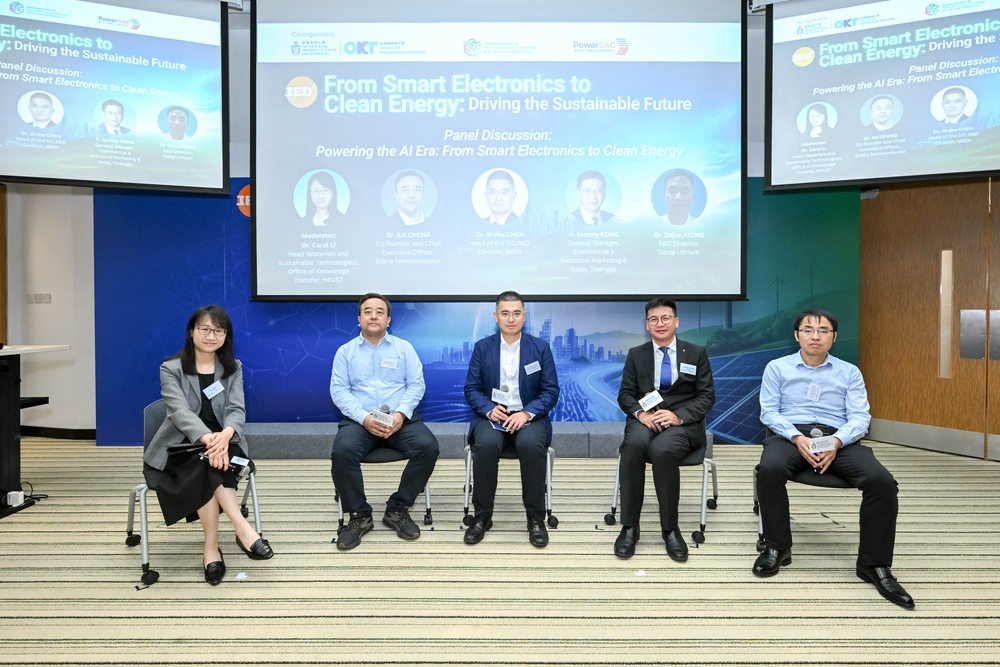
The day concluded with an insightful panel discussion moderated by Dr. Carol LI, Head of Materials and Sustainable Technologies at the Office of Knowledge Transfer. Representatives from key industry partners—including the Hong Kong Microelectronics Research and Development Institute (MRDI), Enkris Semiconductor, Tianqi Lithium, and Towngas—shared their visions for the future.
Ultimately, the event made one thing clear: no single technology can solve the AI energy challenge alone. As Dr. Li summarized, "From semiconductors to energy, one message is very clear: building a sustainable AI future will require collaboration across the entire ecosystem."
By bridging the gap between world-class university research and industry execution, HKUST and its partners are actively building the foundation for a greener, smarter tomorrow.
(This news was originally published by the HKUST Global Engagement and Communications Office here.)
Related Links