HKUST Secures Largest Share of RGC Strategic Topics Grant to Drive Innovation in Elderly Healthcare
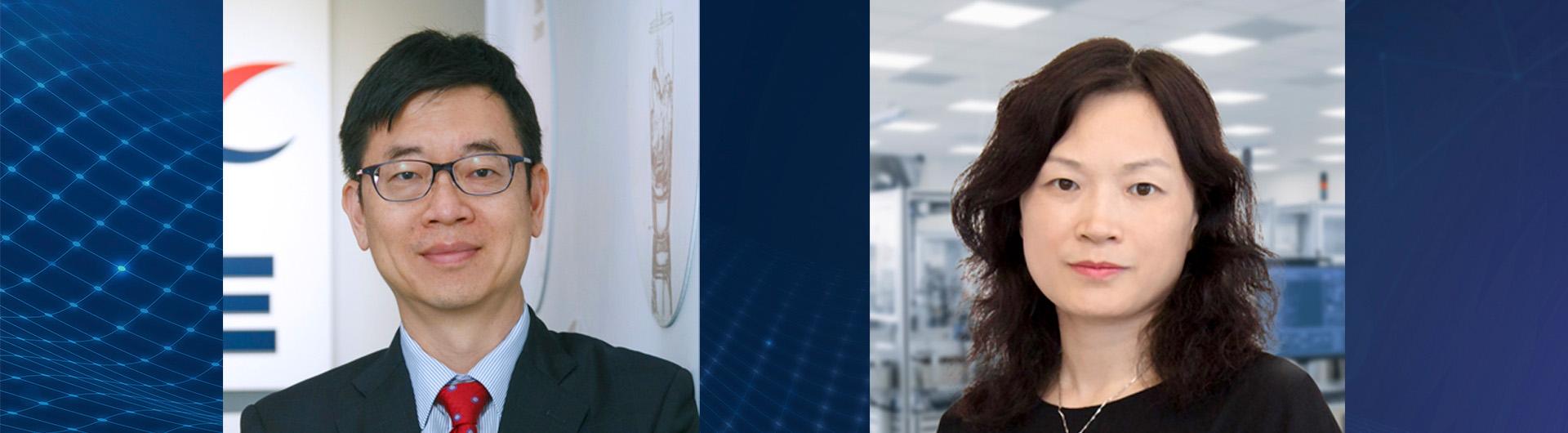
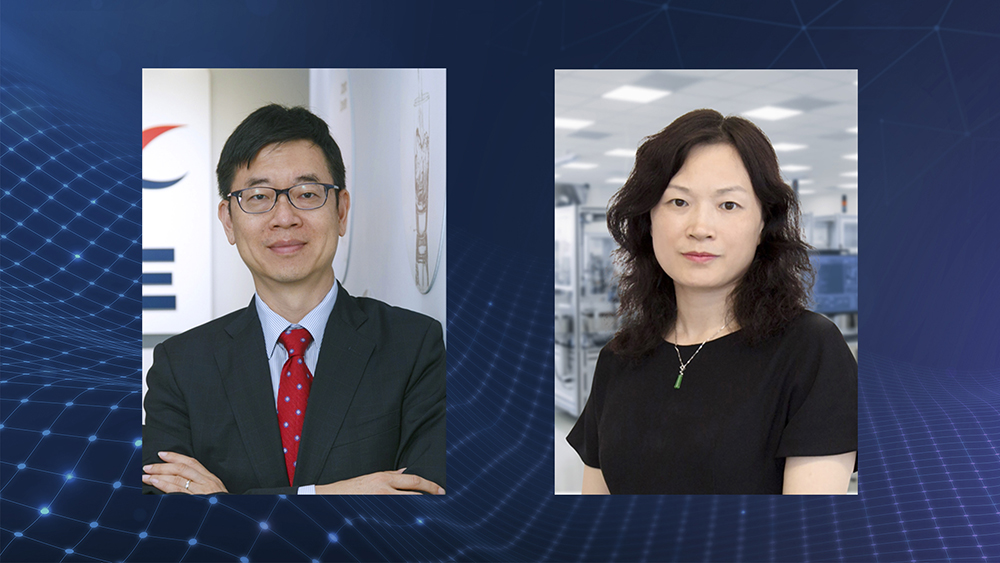
Prof. I-Ming HSING, Professor of the Department of Chemical and Biological Engineering at HKUST, is leading an innovative new project to safeguard the health of elderly residents in hospitals and nursing homes through the use of cutting-edge technology and artificial intelligence (AI).
The project, titled "AI-assisted Infection Management in Elderly Hospitals and Nursing Homes: Safeguarding Health through Point-of-Care Technologies and Smart Materials," has secured HKD 26.789 million in funding over five years. It is one of two major research initiatives led by the Hong Kong University of Science and Technology (HKUST) to receive backing from the Research Grants Council’s (RGC) prestigious 2026/2027 Strategic Topics Grant. In total, HKUST secured over HKD 54.41 million across its projects—the highest funding amount among all local universities.
Transforming Elderly Care with AI and Smart Technology
Because many elderly patients in care facilities have weakened immune systems, managing infections quickly is critical. Prof. Hsing's team aims to tackle this by building an AI-assisted, end-to-end infection management system.
The system will gather real-time health data directly at the patient's bedside and use AI to automatically generate personalized treatment and daily nursing care plans. Key innovations of the project include
- Wearable & Point-of-Care Sensors: Developing advanced, wearable sensors that can perform rapid on-site screening for drug-resistant bacteria, test which antibiotics will work best, and continuously monitor vital signs like body temperature and heart rate.
- Smart Chronic Wound Management: Creating a specialized system for long-term wound care using "smart responsive materials." These materials will monitor chronic wounds, send real-time alerts if they detect excessive pressure or inflammation, and feed this data back into the AI platform to guide personalized healing and prevent infections.
A Dual Victory: Tackling Parkinson's Disease
Alongside Prof. Hsing’s work, HKUST is also leading a second major healthcare project led by Prof. Qian ZHANG (Head of the Division of Integrative Systems and Design).
With HKD 27.628 million in funding, this project will develop PMAI-PD, a personalized AI platform designed to shift Parkinson’s disease management from strict hospital visits to a more comfortable, continuous "hospital + home" care model. Using low-cost home sensors and advanced AI, the platform will support:
- Early Screening: Detecting early signs of Parkinson's by analyzing daily behavior alongside medical data.
- Home Assessment: Continuous, contactless monitoring of symptoms during everyday activities.
- Smart Rehabilitation: Using an AI assistant to guide patients through personalized physical exercises at home, improving recovery rates and helping therapists monitor progress more efficiently.
Driving Solutions for an Aging Society
These milestones highlight HKUST's position as a leader in smart healthcare. By bridging the gap between AI, biotechnology, and daily clinical care, these projects aim to greatly improve the quality of life for seniors, ease the physical and emotional burden on caregivers, and alleviate the growing pressure on Hong Kong's public healthcare system.
(This news was originally published by the HKUST Global Engagement and Communications Office here.)
Related Links